A recently built home can look polished at an open inspection and still carry defects that become expensive after settlement. An owner builder defects report (Section 137B report) gives buyers a clearer view of the domestic building work completed by an owner-builder, including visible defects, incomplete work, moisture concerns, and workmanship issues that should not be left to guesswork.
For a property sale in Victoria, this report is more than a useful precaution. Where the relevant legal requirements apply, an owner-builder selling a home within six years of completing domestic building work must arrange a defects inspection report before the contract is signed. For buyers, the report can reveal whether the property deserves further investigation, a repair allowance, a price adjustment, or a decision to walk away.
What Is an Owner Builder Defects Report?
A Section 137B report is an inspection report prepared for a property where domestic building work has been undertaken by an owner-builder. It is intended to identify defects in that work and forms part of the information a prospective purchaser needs before committing to the purchase.
The report is not a promise that the house is defect-free. It is a professional assessment based on what can be reasonably observed at the time of inspection. Areas hidden behind linings, furniture, landscaping, stored goods, locked rooms, or fixed finishes may be outside the scope. That limitation makes the inspector’s experience, method, and diagnostic equipment especially important.
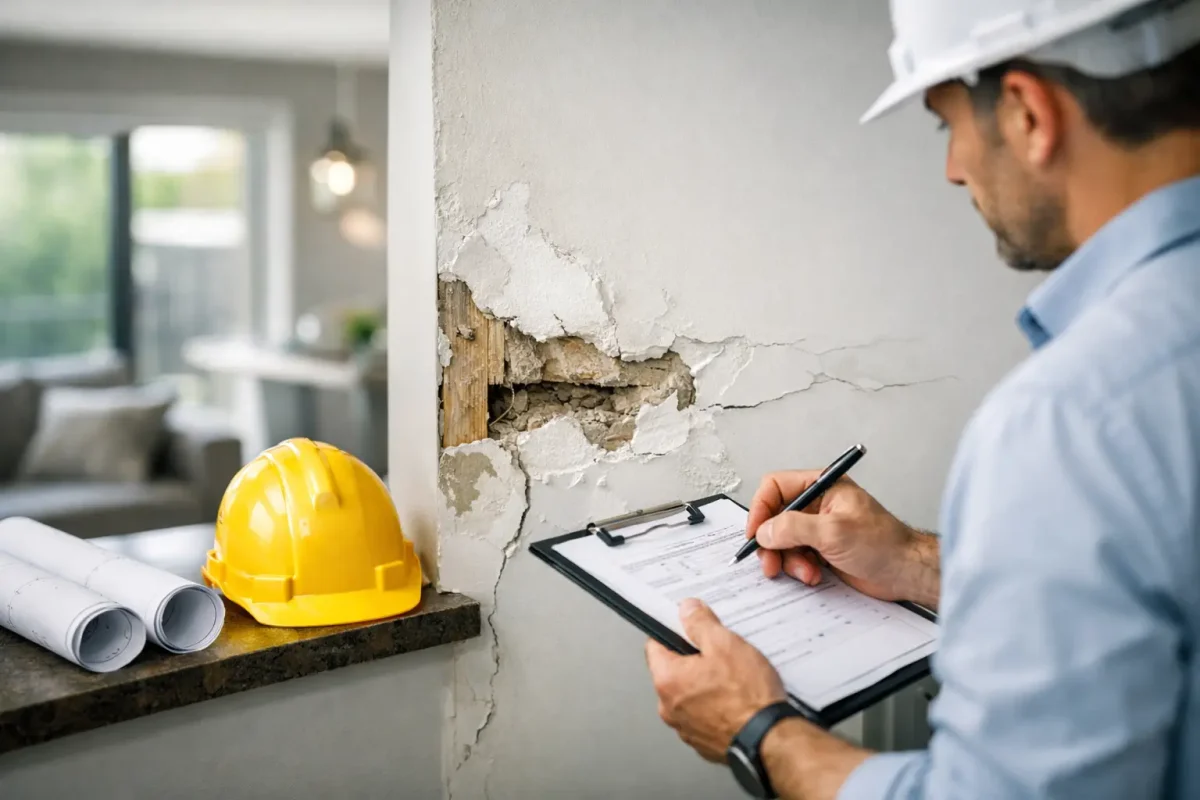
A thorough inspection looks beyond cosmetic presentation. Fresh paint can hide a water stain. New flooring can conceal an uneven substrate. A neatly finished wall may mask cracking that has been patched rather than properly addressed. The purpose is to separate normal minor wear from defects that could affect safety, durability, function, value, or future repair costs.
When a Section 137B Report May Be Required
In Victoria, owner-builders have specific obligations when selling a property after carrying out domestic building work. Broadly, if the owner-builder sells within six years of completing the work, a defects inspection report may be required under Section 137B of the Building Act 1993.
The timing of completion, the type and value of work, ownership arrangements, permits, and the precise nature of the sale can affect what is required. Sellers should obtain legal advice where there is uncertainty about their disclosure obligations. Buyers should also avoid assuming that a report alone confirms every legal, insurance, permit, or compliance issue connected with the property.
What matters in practical terms is this: if a home has been built, extended, renovated, or substantially altered by an owner-builder, ask direct questions early. Request the owner-builder documentation, review the defects report before signing, and compare the report with what you see during your own inspection.
What a Careful Defects Inspection Can Identify
Owner-builder work ranges from highly competent construction to work completed with limited trade coordination, poor sequencing, or insufficient quality control. The inspection needs to focus on both obvious symptoms and the building behavior behind them.
Common findings can include cracking to masonry, plaster, render, or external cladding; uneven floors and poor falls to wet areas; roof and guttering defects; incomplete flashings; water penetration around windows and doors; drainage concerns; substandard sealing; and poorly finished joinery or tiling. Inspectors may also identify signs of movement, moisture ingress, termite activity, inadequate ventilation, and incomplete safety items.
Not every defect has the same weight. A rough paint finish and a leaking shower are both defects, but their consequences are very different. A good report explains the condition, location, likely significance, and recommended next step in plain English, supported by photographs. That gives buyers a usable record rather than a vague list of concerns.
Hidden moisture deserves closer attention
Moisture is one of the most costly issues in recently completed work because damage can develop quietly behind finished surfaces. Bathrooms, balconies, roofs, external walls, window openings, laundries, and underfloor areas deserve particular attention.
Moisture meters and thermal imaging can help identify abnormal readings or temperature patterns that may indicate leaks or dampness without damaging the building. These tools do not replace investigation where access is limited, but they can direct attention to areas that may otherwise appear normal.
Structural movement should not be dismissed
Cracking does not automatically mean a major structural problem. Some minor cracking can result from shrinkage, settlement, seasonal movement, or normal material behavior. The key question is whether the crack pattern, width, location, and surrounding conditions suggest ongoing movement or a defect requiring further assessment.
An experienced inspector considers the wider evidence: floor levels, door operation, roof lines, masonry alignment, drainage, soil conditions, and signs of previous repairs. This is far more useful than judging a crack from a single photograph.
Why Buyers Should Not Rely Only on the Seller’s Report
A Section 137B report is valuable, but it is not a substitute for independent due diligence. The report is generally commissioned by the owner-builder to meet a sale requirement. Buyers should read it closely, ask questions about every significant item, and consider an independent pre-purchase building and pest inspection before the contract becomes unconditional.
An independent inspection gives you a separate assessment focused on your risk as the purchaser. It can also review areas that may not be fully addressed in the seller’s documentation, such as pest activity, site drainage, general building condition, and defects in older parts of the home that were not part of the owner-builder work.
This approach is particularly worthwhile when the property has a new extension attached to an older dwelling. The new work may look excellent while the original building has roof, subfloor, drainage, or movement issues that still affect your investment.
How to Read the Report Before You Commit
Start with the major defects and safety concerns, not the cosmetic items. Look for references to water entry, structural movement, roof defects, inadequate drainage, incomplete waterproofing, non-compliant-looking work, or recommendations for specialist review. These items can affect both cost and the time needed to make the home safe and serviceable.
Then assess the pattern of the findings. One isolated defect may be straightforward to repair. Multiple defects in different areas can indicate poor supervision, rushed completion, or broader workmanship problems. For example, a leaking shower, poorly sloped balcony, missing external sealant, and moisture staining near windows may point to a recurring weatherproofing issue rather than four unrelated minor repairs.
Ask for clarity where the language is technical. You need to know what the issue means for ownership: whether repairs are urgent, whether further investigation is needed, who is qualified to assess it, and whether the likely cost could affect the price you are prepared to pay.
What Sellers Can Do Before Listing
For owner-builders, arranging the report early is the practical move. It gives you time to understand any identified defects, obtain quotes, complete appropriate repairs, and disclose the property’s condition without pressure from an active buyer or approaching auction date.
Do not treat the report as a box-ticking exercise. If it identifies water damage, defective drainage, roof concerns, cracking, or incomplete work, deal with the cause rather than applying a surface patch. A rushed cosmetic repair may be obvious to a careful purchaser and can undermine confidence in the entire build.
Keep permits, certificates, warranties, invoices, engineering documents, and other relevant construction records organized. A well-documented sale is easier for buyers to assess and less likely to become delayed by unanswered questions.
Choosing the Right Inspector for a Section 137B Report
The inspection quality can shape the quality of a buyer’s decision. Look for an inspector with substantial construction experience, appropriate qualifications, a clear reporting process, and the ability to explain findings without exaggeration or downplaying risk.
At Ausgun Building Inspections, owner-builder defect assessments are informed by more than 17 years of construction-industry experience, civil engineering knowledge, Unlimited Builder’s Licenses, and diagnostic tools such as moisture meters, thermal imaging, and laser leveling. The objective is straightforward: give clients clear evidence of what is present, what it may mean, and what should happen next.
A report should be detailed enough to support informed discussions with a conveyancer, builder, specialist contractor, or vendor. It should also be delivered promptly, because property decisions rarely wait.
Before you sign for an owner-built property, give the Section 137B report the attention you would give the contract price. A careful review now can protect you from inheriting defects that were visible, detectable, and negotiable before the property became yours.