
A cracked tile or stained ceiling can be easy to spot at an open house. The costly problems are often the ones you cannot see: moisture behind a wall, movement beneath a floor, termite activity in a concealed area, or incomplete work hidden by a fresh coat of paint. A qualified building inspector looks beyond presentation so you can make a property decision based on evidence, not assumptions.
For buyers, that evidence can change a negotiation, influence whether to proceed, or help prioritize repairs after settlement. For owners, builders, and investors, it can create a clear record of defects, workmanship concerns, and maintenance risks before they become more expensive disputes.
What a Building Inspector Actually Does
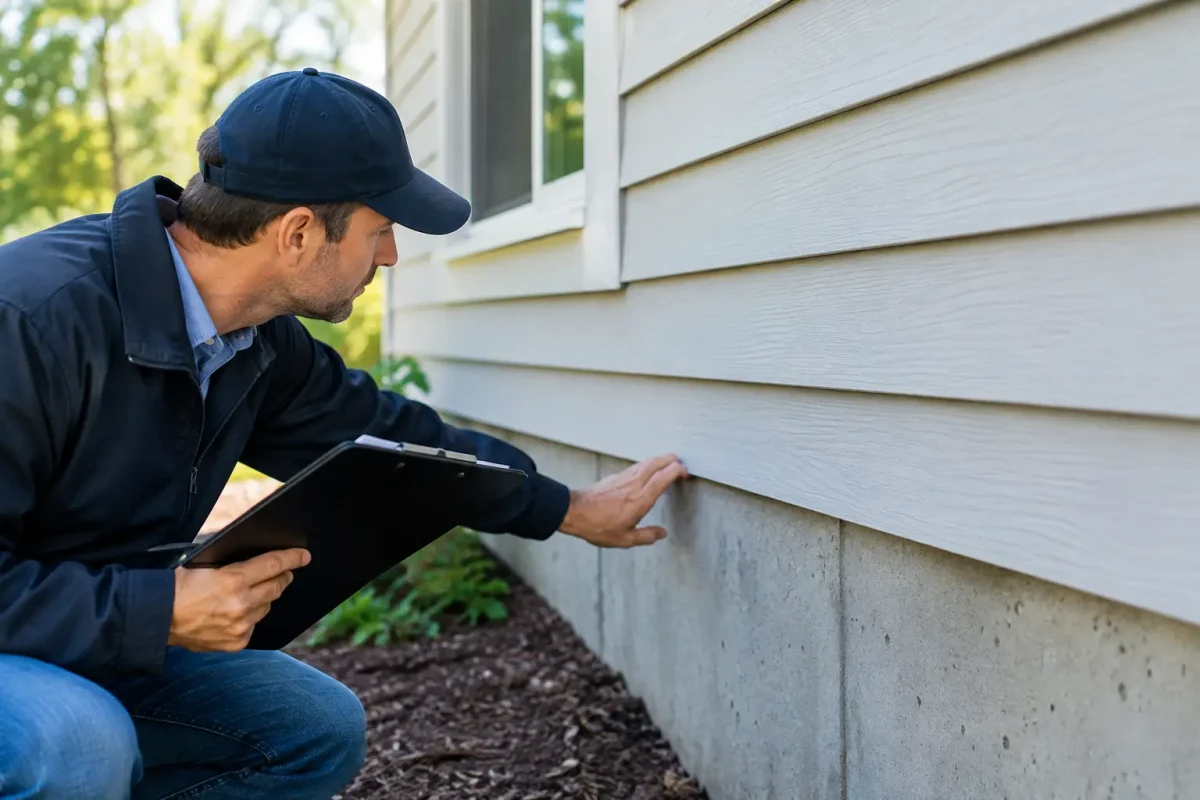
A building inspection is an independent visual assessment of a property’s accessible areas and building elements. The inspector examines the condition of the structure, roof space, subfloor where accessible, interior rooms, exterior surfaces, site drainage, and visible services-related concerns.
The purpose is not to produce a vague checklist. A useful report should explain what was found, where it was found, why it matters, and what action may be needed. Photographs, clear defect descriptions, and practical recommendations turn technical observations into information you can use.
A thorough inspection commonly focuses on issues such as:
- Structural movement, cracking, uneven floors, and signs of settlement
- Water intrusion, roof leaks, poor drainage, and elevated moisture readings
- Timber pest activity, termite risk conditions, and concealed damage indicators
- Unsafe or incomplete building work, including defects around wet areas, roofs, doors, windows, and external finishes
- Deterioration that may affect safety, durability, or future repair costs
Not every crack is structural, and not every moisture reading means a major leak. That distinction matters. An experienced inspector assesses the pattern, location, severity, and likely cause rather than treating every imperfection as a deal-breaker.
Why Timing Changes the Value of an Inspection
The same property can require different inspection advice depending on where you are in the process. A pre-purchase inspection is designed to protect you before contracts become unconditional or before you commit further funds. A pre-handover inspection has a different job: identifying incomplete or defective work before you accept a newly built home.
For construction projects, inspections at key stages can identify problems while the relevant work is still exposed and easier to correct. Waiting until handover may mean the issue is concealed behind plaster, cladding, flooring, or landscaping.
Before You Buy an Existing Property
A pre-purchase building and pest inspection gives buyers a clearer view of the asset they are considering. Cosmetic improvements can make a home feel well maintained, but they do not confirm the condition of the roof framing, drainage, wet areas, subfloor, or concealed timber.
The findings can support a more informed decision. In some cases, buyers proceed with confidence because the concerns are minor and manageable. In others, the report provides grounds to renegotiate the price, request repairs, seek specialist advice, or walk away from a risk that does not fit their budget.
For investors, the inspection should also be considered alongside likely holding costs. A property with an aging roof, poor site drainage, deteriorated seals, and early moisture damage may still be viable, but its purchase price needs to account for upcoming work.
Before a New-Build Handover
New does not automatically mean defect-free. At pre-handover, a building inspector assesses whether the finished work appears complete and whether visible defects need attention before final acceptance.
Common concerns include poorly finished paintwork, damaged cabinetry, uneven flooring, incomplete sealants, misaligned doors, surface cracking, inadequate falls in wet areas, and workmanship issues around flashings or external finishes. Some are straightforward to rectify. Others can point to water-management or construction-quality concerns that should not be ignored.
A pre-handover inspection creates a documented defect list while the builder remains responsible for completing the work. It is far easier to raise clear, photographed items before final payment than to rely on memory after you have moved in.
During Construction and Renovation
Stage inspections are particularly valuable because they catch errors before the next trade covers them. Framing alignment, waterproofing preparation, roof components, and visible structural work can be assessed at points where correction is usually less disruptive.
This does not replace the builder’s obligations or statutory inspections. It adds an independent set of experienced eyes focused on the client’s interests. For a project involving substantial funds, that independent review can be a sensible control against avoidable rework.
The Tools Matter, but Judgment Matters More
A visual inspection remains the foundation of the work, but diagnostic equipment can reveal conditions that are not obvious during a walkthrough. Moisture meters can help identify elevated moisture in walls, ceilings, floors, or wet areas. Thermal imaging may highlight temperature variations consistent with moisture intrusion or insulation gaps. Laser leveling can assist in assessing floor levels and signs of movement.
Non-invasive termite and insect detection technology can also help investigate areas where pest activity may be concealed. These tools do not magically see through every building material, and no inspection can access areas that are blocked, unsafe, or sealed. A professional inspector should explain those limitations clearly.
The real value comes from combining the tools with construction knowledge. A thermal image is an indicator, not a diagnosis by itself. An elevated moisture reading needs context: Is it from a current plumbing leak, rainfall, poor ventilation, a shower recess issue, or a recent spill? Sound judgment prevents both missed risks and unnecessary alarm.
What a Good Inspection Report Should Give You
A report should be detailed enough to guide a decision without forcing you to translate technical language on your own. Look for clear photos, identified locations, a practical explanation of significance, and recommendations that distinguish between urgent defects, maintenance items, and areas requiring specialist investigation.
Speed also matters in a property transaction. A report delivered promptly is useful only if it remains thorough. You may have limited time to review findings, speak with your adviser, obtain repair estimates, or negotiate with the seller.
At Ausgun Building Inspections, the aim is to provide clear evidence and plain-English explanations, backed by more than 17 years of construction-industry experience. That means explaining not only what is visible, but what the finding may mean for your next step.
Questions Worth Asking Before You Book
Do not choose an inspector solely because they are available first or offer the lowest fee. The cost of an inspection is small compared with the cost of overlooking a major defect, but qualifications, scope, and reporting quality can vary.
Ask whether the inspector has relevant construction experience, what areas will be inspected, whether a pest assessment is included, and when you will receive the report. It is also reasonable to ask whether they use moisture detection, thermal imaging, or leveling equipment when conditions call for it.
Confirm that the inspector will discuss significant findings with you. A detailed report is valuable, but a brief conversation can help you understand whether a concern needs urgent action, routine maintenance, or a further assessment from a licensed specialist.
An Inspection Is Not a Guarantee, but It Is Leverage
A building inspection has limits. It is generally non-invasive, which means the inspector cannot remove wall linings, lift fixed flooring, dismantle roofing, or assess inaccessible spaces. Conditions can also change after the inspection due to weather, new leaks, occupant activity, or subsequent building work.
That does not reduce its value. It defines what the inspection is designed to do: identify visible defects, accessible risks, and evidence of concealed problems before you commit or accept responsibility. A well-documented report gives you a stronger basis for questions, negotiations, repair planning, and builder accountability.
Before you sign, settle, release a construction payment, or accept handover, give the property the same scrutiny you would give any major investment. The right inspection may not tell you to buy or walk away. It gives you the evidence to decide with your eyes open.