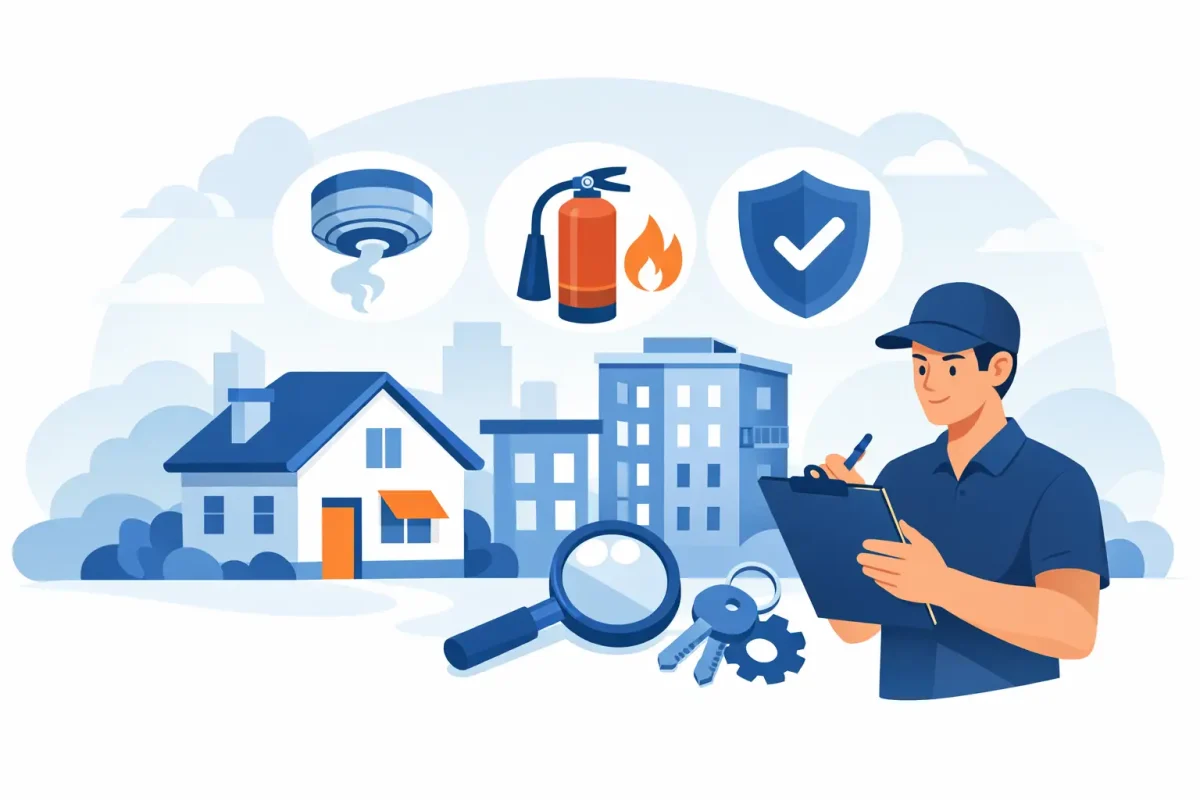
A rental can look clean at an open inspection and still contain the issues that create the greatest liability: a non-functioning smoke alarm, an unsafe heater, moisture behind a wall, a loose handrail, or an electrical fault hidden from view. Essential rental safety compliance checks give landlords and property investors a clear, evidence-based view of whether a property is safe, habitable, and ready to be offered for rent.
For Melbourne owners, this is more than a box-ticking exercise. Rental minimum standards, safety obligations, and maintenance expectations can affect tenancy decisions, repair costs, insurance discussions, and disputes. A focused inspection helps identify what needs attention before a tenant moves in, rather than after a preventable incident or urgent maintenance call.
Why rental safety checks need an independent eye
Landlords and agents often know a property well, but familiarity can make gradual deterioration hard to see. A bathroom exhaust fan may run but fail to remove moisture effectively. A floor can feel slightly uneven without revealing whether movement, water damage, or poor workmanship is contributing to the problem. An older switchboard may appear orderly while presenting issues that require a licensed electrician’s attention.
An independent inspection separates appearance from condition. It records visible defects, safety concerns, moisture indicators, incomplete repairs, and areas that need further assessment by a qualified trade. Clear photographs and plain-English observations give an owner a practical repair scope and a defensible record of the property’s condition at a point in time.
The required checks depend on the home’s age, construction type, appliances, and applicable tenancy rules. A newly built apartment and a 1970s weatherboard house do not carry the same risks. The aim is not to assume every defect is a compliance breach. It is to identify hazards early, verify the condition of critical elements, and direct the right repair work before they become expensive or unsafe.
Essential rental safety compliance checks before advertising
Smoke alarms and fire safety provisions
Smoke alarms deserve immediate attention because failure is often invisible until an emergency. Check that alarms are installed where required, correctly positioned, securely fixed, and operating when tested. Battery-powered units require working batteries, while hard-wired systems need consideration of their age, interconnection, and service history.
Do not treat a single test button as a complete assessment of fire safety. Owners should also consider obvious fire risks around heaters, cooking areas, overloaded power boards, blocked exits, and combustible materials stored near ignition sources. If an alarm is damaged, outdated, intermittently sounding, or difficult to access safely, arrange service or replacement promptly.
Electrical safety and visible hazards
Electrical defects can range from obvious damage to conditions that need specialist testing. An inspection should flag cracked outlet covers, loose fittings, exposed wiring, damaged cords associated with supplied appliances, signs of overheating, and switchboard concerns. Flickering lights, frequent circuit trips, burning smells, or warm outlets should never be dismissed as minor inconveniences.
A building inspector can identify visible warning signs and document them, but electrical repair and formal electrical testing must be completed by an appropriately licensed electrician. This division matters. A useful rental assessment identifies risk and creates a clear action list without overstating what a visual inspection can certify.
Gas appliances, heating, and hot water
A property without reliable heating or hot water quickly becomes a tenancy problem. Where gas appliances are present, assess their general condition, visible flue arrangements, ventilation around the appliance, corrosion, damage, and signs of poor installation or unsafe operation. Heaters and hot-water systems should also be checked for leaks, deteriorated pipework, inaccessible controls, and inadequate drainage around equipment.
Carbon monoxide is odorless, so visible appearance alone cannot establish that a gas heater is safe. Any doubt about a gas appliance, flue, or ventilation arrangement warrants assessment by a qualified gasfitter. The same principle applies to cooling systems: water staining, blocked condensate drains, and neglected filters can create moisture damage and reduce safe performance.
Doors, windows, locks, and safe access
Security and safe access overlap more than many owners realize. External doors should close, latch, and lock as intended. Windows need to open and close safely, particularly where ventilation is necessary or where window height may create a fall risk. Damaged glazing, weak frames, sticking sliding doors, and missing or loose hardware can all affect tenant safety and property security.
Outside, inspect paths, steps, decks, balconies, railings, and handrails for trip hazards, instability, decay, and loose fixings. Uneven paving is not always a major defect, but it becomes a material concern when it creates a foreseeable fall risk. Water pooling near entry points can make the issue worse while also directing moisture toward the building.
Moisture, mold, drainage, and ventilation
Moisture is one of the most costly issues in rental housing because it can damage finishes, attract pests, contribute to mold, and mask larger building defects. Look beyond fresh paint. Staining to ceilings, swollen skirting boards, peeling finishes, musty odors, damp cabinetry, and deteriorated sealant around wet areas all warrant closer review.
A moisture meter or thermal imaging equipment can help locate patterns that are not obvious to the eye, such as concealed leaks or areas affected by water ingress. These tools do not replace invasive investigation where needed, but they help target the next step without unnecessary damage to finishes.
Ventilation is part of the same picture. Bathrooms, laundries, and kitchens need effective extraction or ventilation pathways. If condensation remains on windows, mold repeatedly returns, or an exhaust fan is weak, the issue may involve maintenance, appliance performance, insulation, occupant use, or a combination of factors. A fair assessment distinguishes between the building condition and the repair or management response required.
Structure, floors, and building fabric
Visible cracking, sloping floors, roof leaks, damaged cladding, and deteriorated subfloor elements should not be ignored simply because a tenant can still occupy the property. Some cracks are cosmetic. Others may indicate movement, moisture effects, settlement, or inadequate support. Their pattern, location, width, and progression matter.
A competent inspector considers these signs in context, then recommends further engineering or trade investigation where appropriate. This protects owners from two costly mistakes: overreacting to minor shrinkage cracks and underreacting to evidence of a developing structural or water-entry problem.
Document repairs, not just defects
The value of a rental compliance assessment is in the follow-through. Once issues are identified, prioritize immediate hazards first, then items that could cause injury, property damage, or a breach of minimum rental requirements. Use qualified trades for regulated work and retain invoices, certificates, photographs, service records, and repair correspondence.
A good property file should show what was observed, when it was assessed, what action was taken, and who completed the work. This is useful at lease commencement, during routine maintenance, after a tenant report, and when preparing a property for sale. It also helps prevent repeated patch repairs that conceal the original cause of a problem.
Ausgun Building Inspections provides detailed rental minimum standards assessments that can help Melbourne owners see the condition behind the presentation, with photographic evidence and clear recommendations for next steps.
When a standard check is not enough
Some conditions need a more targeted inspection. Recurrent roof leaks may require roof access and a drainage review. Suspected termites, borer activity, or concealed timber damage calls for a pest inspection rather than a general visual check alone. Persistent cracking may need an engineer. Concerns about gas, electrical systems, or plumbing require the relevant licensed trade.
This is where the right inspector adds value: not by claiming every issue has one simple answer, but by identifying the warning signs, explaining the likely risk, and helping the owner decide what investigation should happen next. For an investor managing from interstate or a first-time landlord preparing a former home for lease, that clarity can prevent rushed decisions.
Rental safety is best treated as ongoing property care, not a task saved for the day before new tenants collect keys. Addressing a loose handrail, hidden leak, faulty alarm, or declining heater early protects the people living in the home and preserves the investment behind it.